


Steel Strip Slitter
What is Steel Strip Slitter
Steel strip slitter is a specialized industrial machine designed for the precise and efficient cutting of steel strips into narrower widths or coils. This equipment plays a critical role in various manufacturing processes where the production of narrow steel strips is required, such as in the metalworking, automotive, and construction industries.The steel strip slitter typically consists of several key components, including a decoiler, leveling unit, slitting head with multiple circular blades, and recoiler. The process begins with the decoiler, which unwinds the steel coil, providing a continuous feed of the material. The leveling unit ensures uniformity by straightening the steel strip before it reaches the slitting head.
Advantages of Steel Strip Slitter
Precision slitting
One of the primary advantages of a steel strip slitter is its ability to achieve precision in slitting steel strips. The machine can accurately and consistently cut steel coils into narrower widths with tight tolerances, ensuring uniformity in the final products.
Optimized material utilization
The precision cutting capabilities of steel strip slitters contribute to optimized material utilization. By minimizing waste and maximizing the number of usable strips from a single coil, these machines enhance overall material efficiency and reduce production costs.
Consistent strip quality
Consistency in strip quality is a key advantage of steel strip slitters. The machine ensures that each slit strip meets the specified dimensional and quality requirements, leading to uniformity in the final products. This is particularly crucial in industries such as automotive and construction where precision is paramount.
Reduced material waste
The precise cutting capabilities of steel strip slitters help minimize material waste. By closely aligning the slit strips and optimizing the use of the original steel coil, these machines contribute to sustainable and cost-effective manufacturing practices.


Why Choose Us
Our Mission
Our mission is to provide industry-leading safety sealing and attachment solutions through our valued quality products, our exceptional service, and our culture of never-ending continuous improvement.
Product Application
Petrochemical Industry, Oil & Gas, Shipbuilding, Metallurgy, Electric Power, Renewable Energy, Papermaking, Medicine.
Production Equipment
Cnc Machine, Punch Machine, Laser Cutting Machine, Spiral Wound Machine,Water Cutting Machine, Kammprofile Machine.
Our Product
Sealing Gasket, Sealing Packing, Sealing Sheet, Sealing Raw Material,Sealing Machine.
Types of Steel Strip Slitter
Mandrel slitter:Mandrel slitters use a mandrel or spindle to hold and rotate the steel coil during the slitting process. This design is effective for achieving precise slitting results.
Rotary slitter
Rotary slitters use circular knives mounted on a rotating drum to cut through the steel strip. They are versatile and can handle various thicknesses and widths. Rotary slitters are suitable for high-speed processing.
Loop slitter
Loop slitters incorporate a loop control system that maintains tension in the steel strip during the cutting process. This design helps prevent material distortion and ensures consistent strip dimensions.
Drag slitter
Drag slitters utilize a set of stationary knives or blades that drag across the moving steel strip. This type of slitter is suitable for processing thin-gauge materials and offers precision in slitting.
Turret slitter
Turret slitters have multiple sets of slitting knives mounted on a rotating turret. This allows for quick and efficient changes between different slitting setups without the need for manual adjustments.
Two-roll slitter
Two-roll slitters consist of two counter-rotating rolls with slitting knives positioned between them. The steel strip passes through the nip point, where the knives cut the material into strips. This design is suitable for certain applications where precision is crucial.
Looping pit slitter
Looping pit slitters feature a looping pit that allows for increased tension control and improved slit strip quality. They are commonly used for processing high-strength and coated steels.
Scrap chopper slitter
Scrap chopper slitters are equipped with devices to chop and remove scrap material during the slitting process. This helps maintain a clean and efficient operation.
Flying shear slitter
Flying shear slitters use a moving shear mechanism to cut the steel strip while it is in motion. This type of slitter is suitable for high-speed applications and continuous processing lines.
Burst slitter
Burst slitters are designed to slit steel coils by creating a separation between strips using a burst or separation technique. This method is suitable for certain applications where a clean separation without cutting is required.
1.Strip width and thickness
Determine the range of strip widths and thicknesses that your manufacturing processes require. Choose a steel strip slitter that can handle the specific dimensions needed for your applications. Consider both the minimum and maximum strip widths and thicknesses the machine can accommodate.
2.Slitting accuracy and tolerances
Evaluate the slitting accuracy and tolerances provided by the slitter. Precision in slitting is essential for producing uniform and high-quality strips. Look for a machine that can consistently meet the required dimensional tolerances for your end products.
3.Ease of maintenance
Consider the ease of maintenance and the availability of replacement parts. A machine with straightforward maintenance procedures and ready availability of spare parts can minimize downtime and ensure smooth operations over the long term.

04
Automation and control systems
Consider the level of automation and the sophistication of the control systems. Advanced features, such as automated edge guiding, tension control, and programmable logic controllers (PLCs), contribute to enhanced efficiency and ease of operation. Automation can also reduce the reliance on manual adjustments, minimizing errors.
05
Tooling and blade configurations
Examine the tooling options and blade configurations available with the steel strip slitter. The ability to easily change blades and adjust tooling is important for accommodating different slit strip configurations. Choose a machine with tooling options that match the diversity of your production requirements.
06
Material compatibility
Ensure that the steel strip slitter is compatible with the types of materials you intend to process. Different machines may have specifications for handling various steel alloys, stainless steel, or other materials. Verify that the slitter is suitable for the materials commonly used in your industry.
07
Production capacity
Assess the production capacity of the steel strip slitter. Consider the machine's speed and throughput in relation to your production volume requirements. Choose a slitter that can handle the expected workload without causing bottlenecks in your manufacturing process.
What Is the Purpose of Steel Strip Slitter
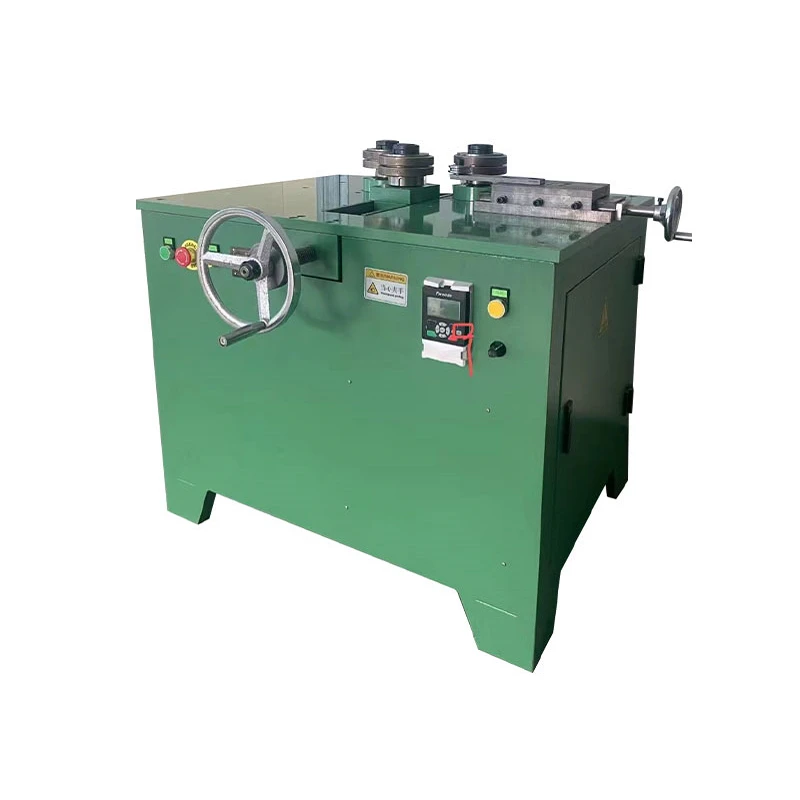
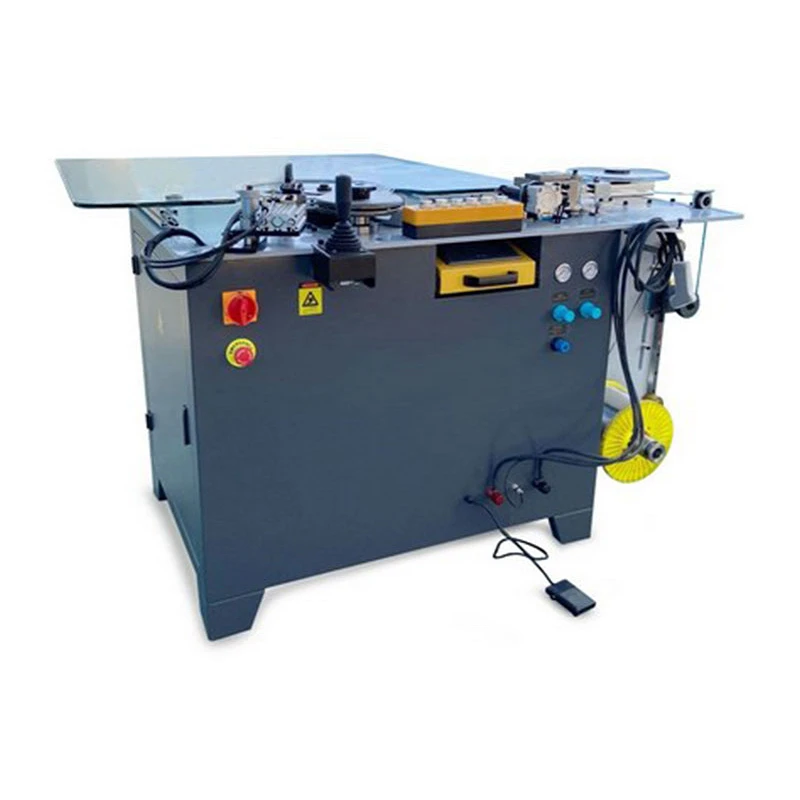


The purpose of a steel strip slitter is to precision-cut steel coils into narrower strips or coils of various widths. This machine plays a crucial role in several manufacturing industries where the production of narrow steel strips is required for specific applications. The key purposes of a steel strip slitter include:
Customized widths
Steel strip slitters are used to produce steel strips with customized widths. Industries such as metalworking, automotive, and construction often require steel strips of specific dimensions to meet the requirements of their end products.
Precision slitting
The primary purpose of a steel strip slitter is to achieve precision in slitting. The machine uses rotating circular blades to cut steel coils with accuracy, ensuring uniformity in the width of the resulting strips. Precision slitting is critical for applications where tight tolerances and consistency are essential.
Material optimization
By precisely cutting steel coils into narrower strips, a steel strip slitter helps optimize material utilization. This minimizes waste and allows to maximize the use of raw materials, contributing to cost-effectiveness and sustainability in manufacturing processes.
Versatility in production
Steel strip slitters offer versatility in production by allowing to produce strips with various widths from a single coil. This flexibility is beneficial in industries where diverse strip dimensions are needed for different applications or projects.
Efficient coil processing
The machine efficiently processes steel coils by unwinding the material from a coil, leveling it, and then slitting it into strips of the desired width. The entire process is typically automated, contributing to high production efficiency and reduced labor requirements.
Applications in various industries
Steel strip slitters find applications in a wide range of industries, including metal fabrication, automotive manufacturing, construction, and appliance production. The slit strips produced by these machines are used in components such as stamped parts, brackets, framing elements, and other products requiring narrow steel strips.
Enhanced productivity
The use of steel strip slitters enhances overall productivity by providing a continuous and automated process for converting steel coils into strips. The high-speed operation of these machines contributes to increased throughput and efficiency in manufacturing operations.
Reduced lead times
Steel strip slitters contribute to reducing lead times in manufacturing processes. The ability to quickly and accurately produce steel strips of various widths allows to respond more rapidly to changing market demands and customer requirements.
Quality control
Steel strip slitters play a role in quality control by ensuring that the slit strips meet specified dimensional tolerances and quality standards. This is particularly important in industries where precision and consistency are critical for the performance of the final products.
Steel strip slitter operates through a series of precisely orchestrated steps to transform steel coils into narrower strips with accuracy and efficiency. The process begins with the decoiling stage, where a steel coil is mounted onto a decoiler. As the coil unwinds, it provides a continuous feed of the material for further processing.
Following decoiling, the steel strip moves through a leveling unit, which ensures that the strip is flat and free from distortions. This leveling step is crucial for enhancing the precision of the subsequent cutting operation. The leveled strip then advances to the slitting head, the core component of the steel strip slitter.
The slitting head contains multiple circular blades configured to cut the steel strip into narrower widths. These blades, often adjustable to accommodate different strip widths, perform precise cuts according to the specified requirements. The number and arrangement of the blades determine the final width of the individual slit strips.
As the steel strip progresses through the slitting head, the rotating circular blades engage with the material, creating multiple strips simultaneously. The cutting process is meticulously controlled to achieve the desired width and dimensional tolerances of the slit strips. This step is critical for industries where precision is paramount, such as automotive or construction.
To further enhance operational efficiency and accuracy, modern steel strip slitters often incorporate automation features and advanced control systems. Automated edge guiding systems help maintain the alignment of the steel strip, while tension control mechanisms ensure consistent tension throughout the slitting process. Programmable logic controllers (PLCs) contribute to precise and repeatable operations, allowing for customization based on specific production requirements.
After the slitting operation, the narrower steel strips are directed to a recoiler. The recoiler efficiently rewinds the slit strips into coils, ensuring proper tension and alignment during the winding process. This final step prepares the slit strips for subsequent manufacturing processes or shipment.
Throughout the entire process, quality assurance measures are implemented to monitor and maintain the accuracy of the slit strips. This may include the use of sensors, detectors, or visual inspection systems to identify any deviations from the specified dimensions or quality standards.
What Are the Key Components of Steel Strip Slitter
Steel strip slitters consist of various key components that work together to cut large coils or rolls of steel into narrower strips. The specific design of these components may vary based on the type and model of the slitter, but here are the fundamental key components commonly found in a steel strip slitter:
Control system
The control system includes electronics, sensors, and a human-machine interface (HMI) that allow operators to monitor and control the slitting process. In some cases, advanced systems may include automation features for improved efficiency.
Uncoiler
The uncoiler is responsible for holding and unwinding the large steel coil or roll. It provides tension control and ensures a steady feed of the steel strip into the slitting process.
Entry crop shear
In some slitting lines, an entry crop shear is used to trim the leading edge of the steel coil, ensuring a clean and straight entry into the slitting section.
Entry pinch rolls
Entry pinch rolls help guide and feed the steel strip into the slitting section. They assist in maintaining proper tension and preventing coil slippage.
Leveling and straightening rolls
Leveling and straightening rolls are used to flatten and straighten the steel strip before it enters the slitting blades. This ensures a consistent and flat strip for accurate slitting.
Slitting blades or knives
Slitting blades or knives are the cutting tools that perform the actual slitting of the steel strip. The number, arrangement, and type of blades may vary based on the slitter type and the required strip widths.
Arbor shafts
Arbor shafts hold the slitting blades and are responsible for transmitting the rotary motion to the blades. The arbor shafts are adjustable to accommodate different slitting configurations.
Spacer rings
Spacer rings are used to separate the slitting blades, determining the width of the resulting strips. They are placed on the arbor shafts between individual blades.
Scrap winders or choppers
Scrap winders or choppers are components that collect and remove the scrap material generated during the slitting process. This helps maintain a clean and efficient operation.
Tensioning and bridle rolls
Tensioning and bridle rolls help control the tension of the steel strip throughout the slitting process, ensuring smooth and accurate slitting.
Recoiler
The recoiler is responsible for winding the slit strips into individual coils. It provides tension control and even winding for the final product.
Exit pinch rolls
Exit pinch rolls guide the slit strips as they leave the slitting section and enter the recoiler. They contribute to maintaining proper tension and preventing winding issues.
Drive system
The drive system consists of motors and other components that provide the power necessary to drive the various moving parts of the slitter, such as the uncoiler, recoiler, and slitting blades.

What Materials Can Be Slit Using Steel Strip Slitter
Steel alloys
Steel strip slitters are specifically designed for processing steel coils. This includes a wide range of steel alloys, such as carbon steel, alloy steel, and stainless steel. Different grades and thicknesses of steel can be efficiently slit to produce customized strips for diverse applications.
Stainless steel
Stainless steel, known for its corrosion resistance and durability, is a common material processed by steel strip slitters. These machines are capable of slitting stainless steel coils to create narrow strips for applications in industries like construction, automotive, and kitchenware manufacturing.
Aluminum
Some steel strip slitters are versatile enough to handle aluminum coils. Aluminum is a lightweight and corrosion-resistant material widely used in industries such as aerospace, automotive, and construction. Slitting aluminum coils allows for the production of narrow strips for specific components.
Copper and brass
Copper and brass, non-ferrous metals with excellent conductivity and corrosion resistance, can also be slit using steel strip slitters. These materials find applications in electrical components, plumbing, and decorative elements.
Galvanized steel
Galvanized steel, coated with a layer of zinc for corrosion resistance, is a common material processed by steel strip slitters. The slitting process allows for the creation of narrow galvanized strips used in construction, automotive, and industrial applications.
High-strength alloys
Steel strip slitters can handle high-strength alloys used in specialized applications. These alloys may include materials designed for specific industries, such as automotive components requiring enhanced strength and durability.
Pre-painted and coated materials
Pre-painted and coated steel or metal materials are often slit using steel strip slitters. The machine can handle coated coils with protective layers, such as paint or polymer coatings, while maintaining the desired strip dimensions.
What Factors Influence the Selection of Steel Strip Slitter
Material type and thickness
The type and thickness of the steel strip being processed are crucial factors. Different slitters are designed for various materials, including carbon steel, stainless steel, and coated steel. The slitter must be capable of handling the specified thickness range.
Strip width
The width of the steel strip is a critical parameter. Slitters are designed for specific width ranges, and selecting a slitter that accommodates the required strip width is essential for efficient processing.
Coil weight and diameter
Consideration of the coil weight and diameter is important, as it affects the capacity and handling capabilities of the slitter. The machine should be able to handle the weight and diameter of the incoming steel coil.
Precision requirements
Precision is crucial in metal processing, especially for applications where tight tolerances are required. The level of precision needed in the slitting process influences the choice of slitter type and design.
Production volume
The expected production volume and the desired processing speed influence the selection of a slitter. High-volume production may require slitters with higher speeds and automation features to enhance efficiency.
Slitting speed
The required slitting speed is determined by the production volume and the type of material being processed. Different slitters have varying speed capabilities, and selecting one that meets production demands is essential.
Automation and control
The level of automation and control features required depends on the complexity of the slitting process. Some slitters come with advanced control systems, such as CNC (Computer Numerical Control), which allows for precise and programmable slitting.
Tooling and knife configuration
The type of tooling and knife configuration is chosen based on the desired slit edge quality and the specific material being processed. Different slitters offer various knife configurations, including rotary, shear, or crush cut.
Quick changeover capability
In applications where frequent changes between different slit widths are necessary, selecting a slitter with quick changeover capabilities, such as a turret slitter, can reduce downtime and increase efficiency.
Protective equipment
Ensure operators wear appropriate personal protective equipment (PPE), including safety glasses, hearing protection, gloves, and any other gear recommended. PPE helps safeguard operators from potential hazards associated with the slitting process.
Machine inspection
Conduct regular inspections of the steel strip slitter before operation. Check for any signs of wear, damage, or malfunction. Pay attention to safety features such as emergency stop buttons and safety guards. Do not operate the machine if any issues are identified; address them promptly.
Emergency stop procedures
Familiarize operators with the location and use of emergency stop buttons on the machine. In the event of an emergency or if unsafe conditions are observed, operators should immediately press the emergency stop button to halt the machine.
Proper loading and unloading
Follow proper procedures for loading and unloading steel coils onto the decoiler. Ensure that the material is securely fastened to prevent shifting during operation. Use lifting equipment, such as cranes or forklifts, when handling heavy coils.
Edge guiding systems
If the machine is equipped with automated edge guiding systems, operators should be cautious around these mechanisms. Avoid reaching into moving parts and ensure that hands and clothing are kept clear during operation.
Tension control
Pay attention to tension control mechanisms to prevent material slippage or snapping during the slitting process. Follow recommended tension settings to maintain safe and controlled operation.
Material jamming
Be vigilant for signs of material jamming or binding during operation. If the material becomes jammed, stop the machine immediately, and follow proper procedures for clearing jams. Never attempt to clear jams while the machine is running.
Secure work area
Keep the work area clean and organized. Remove any unnecessary tools, materials, or debris from the vicinity of the machine. Ensure that there is adequate lighting and visibility for safe operation.
Lockout/tagout procedures
Follow lockout/tagout procedures when performing maintenance or servicing the machine. De-energize the machine, isolate energy sources, and use lockout/tagout devices to prevent accidental startup.
Proper handling of cut strips
Exercise caution when handling cut strips to avoid injuries from sharp edges. Provide appropriate containers or racks for collecting and transporting slit strips safely.
What Is the Impact of Temperature on the Slitting Process
The impact of temperature on the slitting process, particularly in the context of a steel strip slitter, can influence various aspects of the operation. Temperature variations can affect the material being processed, the machine components, and overall process efficiency. Here are some key considerations regarding the impact of temperature on the slitting process:
Material properties
Metal expansion and contraction: Temperature changes can cause metals, such as steel, to expand or contract. This thermal expansion and contraction can impact the dimensions of the material being processed. For precision slitting, it's important to consider the material's coefficient of thermal expansion and make adjustments accordingly.
Blade performance
Thermal expansion of blades: The blades used in the slitting process are subject to thermal expansion. Changes in temperature can affect the dimensions and alignment of the blades, potentially impacting the precision of the cuts. Regular checks and adjustments may be necessary to maintain the desired slit strip dimensions.
Material tension
Tension control: Temperature variations can influence the tension in the material being processed. It's crucial to monitor and control material tension, especially when processing materials that are sensitive to temperature changes. Inconsistent tension can lead to issues such as material slipping or uneven slit strips.
Lubrication and cooling
Effect on lubricants: Extreme temperatures can affect the performance of lubricants used in the slitting process. Lubrication is essential for reducing friction and heat during cutting. Ensuring that lubricants remain effective in different temperature conditions is important for maintaining the longevity of blades and preventing excessive wear.
Machine components
Thermal expansion of machine components: Various components of the steel strip slitter, including the slitting head and supporting structures, may experience thermal expansion or contraction. This can impact the alignment of machine components and, in turn, affect the overall accuracy of the slitting process.
Material behavior
Material characteristics at different temperatures: Some materials may exhibit changes in behavior at different temperatures. For instance, materials may become more brittle or ductile, affecting how they respond to the cutting process. Understanding the material's behavior across temperature ranges is essential for achieving consistent results.
Quality and precision
Impact on final product quality: Temperature variations can potentially impact the quality and precision of the slit strips. It's essential to consider temperature-related factors when aiming for tight tolerances and consistent dimensions in the final product.
Control systems
Temperature effects on control systems: Electronic control systems, including sensors and programmable logic controllers (PLCs), may be sensitive to temperature changes. Regular calibration and adjustments may be necessary to ensure the accuracy of control systems in different operating conditions.
Adhesive properties
Effect on adhesive layers: Some materials may have adhesive layers or coatings. Temperature changes can influence the properties of these adhesives, impacting the bonding between layers. This is particularly relevant in applications where laminated materials are being slit.
Can a Steel Strip Slitter Be Adjusted for Varying Thicknesses
Yes, a steel strip slitter can typically be adjusted to accommodate varying thicknesses of the material being processed. The ability to adjust for different material thicknesses is a crucial feature of these machines, allowing to produce slit strips with the desired dimensions for specific applications. Here are the general steps involved in adjusting a steel strip slitter for varying thicknesses:


Blade adjustment
The primary adjustment for accommodating different material thicknesses involves the blades in the slitting head. Depending on the machine's design, you can adjust the blade spacing, height, or other parameters to match the thickness of the material being processed.
Tooling change
Some steel strip slitters come with interchangeable tooling sets designed for specific thickness ranges. Changing the tooling, which includes the slitting knives and spacers, allows you to adapt the machine to different thicknesses.
Tension control
Adjusting the tension control settings is important when dealing with varying material thicknesses. Proper tension control ensures that the material feeds consistently through the slitting process, preventing issues such as wrinkling or uneven slitting.
Guiding systems
Automated edge guiding systems help maintain the alignment of the material during the slitting process. Depending on the machine's capabilities, these guiding systems may be adjustable to accommodate different material thicknesses. Ensure that the guiding systems are correctly set for the specific thickness being processed.
Decoiler settings
If the machine has a decoiler for unwinding the steel coil, check and adjust its settings to match the characteristics of the material, including thickness. Proper decoiler settings contribute to smooth and consistent feeding of the material into the slitter.
Leveling unit adjustment
Some steel strip slitters have leveling units to ensure the flatness of the material before it reaches the slitting head. Adjust the leveling unit to suit the thickness of the material, maintaining a flat and distortion-free surface.
Recoiler adjustment
The recoiler, responsible for rewinding the slit strips into coils, may need adjustment based on the thickness of the material. Proper tension and alignment settings on the recoiler contribute to the consistent winding of slit strips.
How to Maintain Steel Strip Slitter
Scheduled inspections
Establish routine schedule for machine inspections. Regularly check for wear and tear, loose bolts, and any signs of damage. Inspect critical components such as the slitting head, blades, decoiler, recoiler, and tension control systems.
Blade maintenance
Inspect the slitting blades regularly for signs of wear, damage, or dullness. Replace or re-sharpen blades as needed to maintain precise and clean cuts. Keep spare blades on hand to minimize downtime during blade changes.
Tension control
Regularly check and adjust the tension control mechanisms to ensure consistent tension throughout the slitting process. Proper tension control prevents material slippage, wrinkling, or other issues that can affect the quality of slit strips.
Guiding systems
If the machine is equipped with automated edge guiding systems, inspect and calibrate these systems regularly. Ensure that the guiding mechanisms are aligned correctly to maintain the proper position of the material during slitting.
Decoiler and recoiler maintenance
Inspect the decoiler and recoiler components, including brakes, clutches, and tension control systems. Lubricate moving parts as recommended. Check for proper alignment to prevent issues during material feeding and rewinding.
Lubrication
Follow the recommendations for lubricating moving parts and critical components. Regularly lubricate bearings, gears, and other components to reduce friction and prevent premature wear. Use the appropriate lubricants specified in the manual.
Leveling unit inspection
If the machine has a leveling unit, inspect and calibrate it regularly to ensure that the material is leveled correctly before reaching the slitting head. Proper leveling contributes to the precision of the slitting process.
Electrical components
Inspect electrical components, wiring, and connections for signs of wear or damage. Tighten loose connections, and replace damaged electrical components promptly. Ensure that control panels and emergency stop buttons are functioning correctly.
Safety features
Regularly check and test safety features such as emergency stop buttons, safety guards, and interlock systems. Ensure that these features are in good working condition to maintain a safe operating environment.
Record keeping
Maintain a log of maintenance activities, including dates, tasks performed, and any issues identified. This documentation can be valuable for tracking the machine's performance over time and scheduling future maintenance tasks.